High cholesterol levels can increase the risk of heart disease and stroke, making it essential to take proactive steps to manage and reduce cholesterol levels naturally. While medications can be effective in lowering cholesterol, lifestyle changes and dietary modifications can also play a significant role in improving heart health. Let's explore some natural strategies for reducing cholesterol levels and promoting overall cardiovascular wellness.
1. Follow a Heart-Healthy Diet:
Dietary changes are one of the most powerful ways to lower cholesterol levels naturally. Focus on consuming a diet rich in fruits, vegetables, whole grains, lean proteins, and healthy fats. Limit your intake of saturated and trans fats found in red meat, processed foods, and fried foods, as these fats can raise LDL (bad) cholesterol levels. Instead, opt for sources of unsaturated fats such as olive oil, avocados, nuts, and seeds, which can help lower LDL cholesterol and raise HDL (good) cholesterol levels.
2. Increase Soluble Fiber Intake:
Soluble fiber is known for its cholesterol-lowering effects, as it binds to cholesterol in the digestive tract and helps remove it from the body. Incorporate fiber-rich foods such as oats, barley, beans, lentils, fruits, and vegetables into your diet to help lower LDL cholesterol levels. Aim for at least 25-30 grams of fiber per day from a variety of sources to reap the maximum benefits for heart health.
3. Get Regular Exercise:
Physical activity is an essential component of a heart-healthy lifestyle and can help improve cholesterol levels. Aim for at least 150 minutes of moderate-intensity aerobic exercise or 75 minutes of vigorous-intensity exercise per week, along with muscle-strengthening activities on two or more days per week. Regular exercise can help lower LDL cholesterol, raise HDL cholesterol, and improve overall cardiovascular fitness.
4. Maintain a Healthy Weight:
Being overweight or obese can contribute to elevated cholesterol levels and increase the risk of heart disease. Focus on achieving and maintaining a healthy weight through a combination of balanced eating, regular exercise, and lifestyle modifications. Losing even a modest amount of weight can have a significant impact on cholesterol levels and overall heart health.
5. Limit Alcohol Consumption:
While moderate alcohol consumption may have some cardiovascular benefits, excessive alcohol intake can raise triglyceride levels and contribute to unhealthy cholesterol levels. Limit your alcohol intake to no more than one drink per day for women and two drinks per day for men, and choose lower-risk options such as red wine or beer.
6. Manage Stress:
Chronic stress can negatively impact cholesterol levels and overall heart health. Incorporate stress-reducing techniques such as mindfulness meditation, deep breathing exercises, yoga, or spending time in nature into your daily routine to promote relaxation and emotional well-being. Prioritizing self-care and finding healthy ways to manage stress can support heart health and cholesterol management.
7. Consider Natural Supplements:
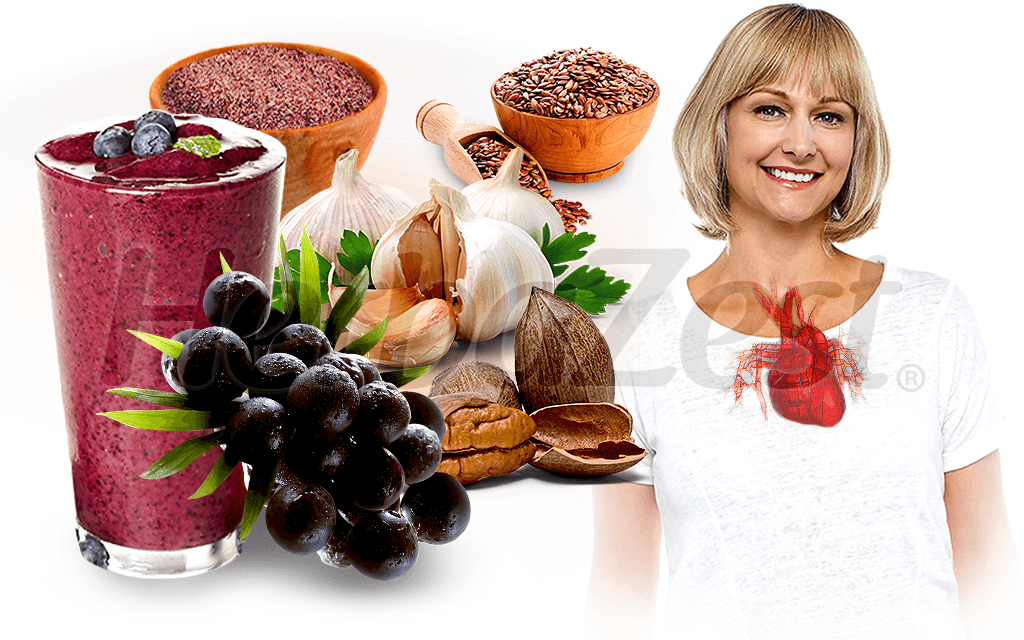
Some natural supplements may offer additional support for cholesterol management when used in conjunction with lifestyle changes. Options such as plant sterols, omega-3 fatty acids, garlic, and red yeast rice have been studied for their cholesterol-lowering effects. However, it's essential to consult with a healthcare provider before starting any new supplements, especially if you're taking medications or have underlying health conditions.
Conclusion:
Lowering cholesterol levels naturally is possible with the right combination of lifestyle changes, dietary modifications, and healthy habits. By following a heart-healthy diet, increasing soluble fiber intake, getting regular exercise, maintaining a healthy weight, limiting alcohol consumption, managing stress, and considering natural supplements, you can support overall cardiovascular wellness and reduce the risk of heart disease.